
With the different changes in the algorithm of different search engines, you compete with other businesses to gain the majority of reach they could get. Some of these businesses started creating various strategies such as link building to stay competitive. Now, how much does link building cost in 2022?
Before you start buying links, you need to know if you can afford them. Several factors affect the budget such as determining the number of links the business needs to stay competitive, the cost of the agency that you will hire, and the quality of the links that you need for the website.
Paid Link Building vs Natural Link Building
Before the deep dive into paid link building, here is a summary of the differences between the two main types of link building. In a nutshell, it may seem easy to do however; there are different approaches to these two.
Natural Link-Building
This happens when businesses offer links for your website without any relevant content for your niche. They may send you articles linked to a specific business because it’s similar in nature.
To Illustrate:
A business writes about a digital marketing agency and then links it to a specific digital agency that may not be related to your website. They linked to that agency because it’s an agency they’re familiar with or even worked with.
Google encourages this kind of link building. Creating high-quality content that’s SEO-friendly will get your business ranked. This kind of link building helps your website rank higher on search results.
The challenge that comes with natural link building is that it does not happen very often, especially if your website is not that established yet. In order for other sites to naturally link to you, your website must have high authority and produce really good content.
Paid Link Building
This kind of link building happens when a business hires an agency or another company to create content for you and pays webmasters to post that content with your link. Others write content about your business and put in links to your website and pay other publishers or websites to post that article. A lot of companies also write their content and perform outreach to try and get their content published.
One of the most frequently asked questions most people ask about paid link building is, “Isn’t this a strategy that Google frowns upon?” Yes and no. Technically, it goes against how Google works but the workaround for this is making sure that you have high-quality content and don’t over optimize your anchor text profile. It’s extremely hard for Google to distinguish between a paid link and a natural link.
For some sites that just starting out, paying for link building is a must. Because it’s very likely you will have a very low DA which means other websites are not going to want to link back to you. But link building will definitely kick start your SEO presence and help boost your rankings.
Why do you need to pay for links?
Now that we have discussed the difference between paid and natural links. It’s time to understand why it is important to do paid link building for your business.
Here are some reasons why you need to pay for links.
[1] Saves Time
Starting up a business takes a lot of effort and so does building up your authority in search engines. It does not happen overnight, but you can do something to speed up the process.
With paid link building, it becomes more efficient for business owners because they can allocate the extra time to focus on the operational side of things.
[2] Become More Competitive
Building your rankings high on search engine results involves a lot of work and it does not happen quickly. However, with blogger outreach, websites approach you or bloggers will collaborate with you for quality content. This alone boosts your visibility and helps you stay competitive.
[3] More Options to Choose From
With paid link building, there are a lot of options to choose from depending on what your business needs. Your choices will depend on your budget, target audience, goals, and industry.
Some of the most common strategies with paid link building include blogger outreach and guest posting on different websites that feature articles within your niche.
Factors That Affect the Cost of Link Building
Previously, it was mentioned that paid link building depends on a number of different factors. Those include the following.
[1] Website Content
With paid link building, you need to ensure that the content is well written. If it contains quality content that people find interesting to read, it’s more likely that people will reach out to you requesting a link.
Therefore, you need tomake sure that your landing page has quality content. This is one of the most important factors when it comes to people wanting to naturally link to you. It’s also best to create content that answers people’s questions and give readers tips.
[2] Brand Strength
To have a successful paid link building campaign, ensure that your business has established its voice, visuals, and even a specific niche unique to others. Of course, there will be competitors sprouting up from different sides of the globe so it’s important to focus on the core products or services that you have and create quality content around that.
The more known and trusted your brand is, the more people will be likely to link to it.
[3] Quality of the Website and the Link
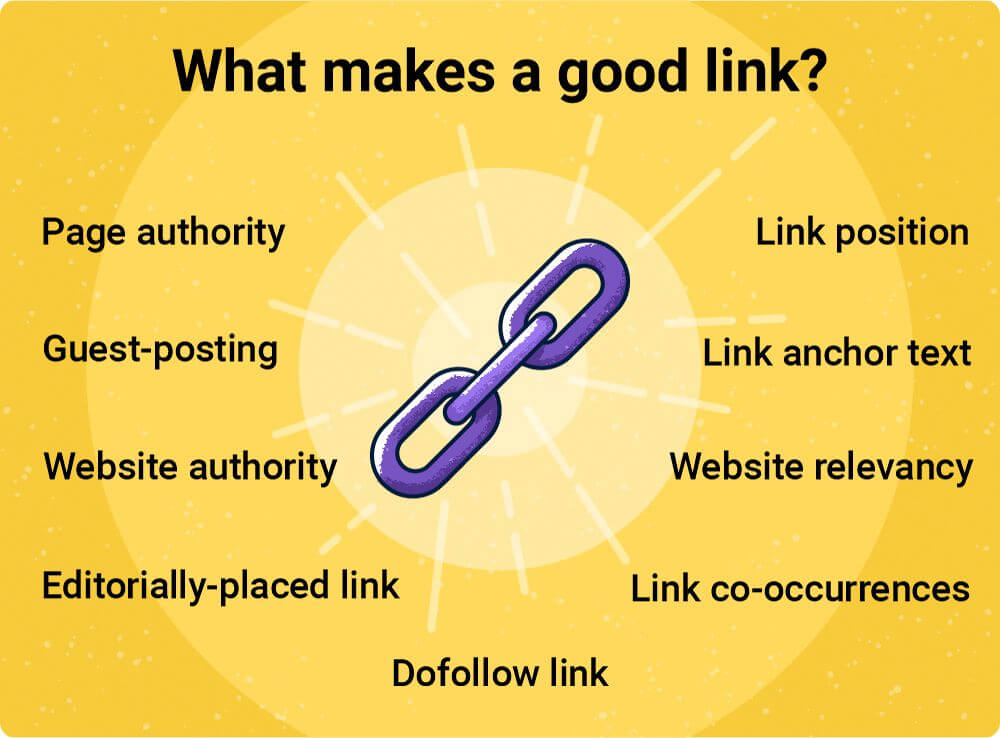
Another factor that affects the cost of link building includes domain rating (DR) and domain authority (DA). Most link building agencies take into account to check how reputable and authoritative your links are.
The scores you see when you check yours online could determine the quality of the website. Those websites with higher DR or DA will cost more, but they are also more beneficial links.
[4] Industry
Another factor is the industry that your business is in. There are very specific industries that may be hard to find and build links to.
To Illustrate:
The finance industry will tend to pay more for links since it’s a very specific niche. On the other hand, if your business is in the lifestyle or tech industry, it might be more affordable and may present you with a lot of link building opportunities.
| Industries where link building cost is high | Industries where link building cost is average | Industries where link building cost is low |
| Casino & Gambling | SaaS | Education |
| Loans | Technology | Games |
| Finance | Food, Nutrition, Health | Non-profit organizations |
| Real Estate | Legal Services, Law | Lifestyle |
Some important notes to remember about the industries when it comes to link-building:
- The industries where the cost of link building is high, you’ll need to establish a good relationship with the brand or the content creator. Plus, most of these industries have high competition and might not have content that informs people what it is all about. You need to make sure you have allocated enough of a budget to perform high quality link building.
- These industries may seem broad, but they might be very open to giving links. To stand out, make sure that when doing outreach, you give exceptional products or offers so that bloggers or influencers will have a hard time refusing. It also really helps to have exceptional content.
- For the industries that have a low cost of link-building, there may be a lot of competition from different content creators. However, these may easily be resolved by doing social media campaigns or even creating informational or relatable content.
Price Model
The range of the cost of link building could start from $2,000 up to $25,000 per month or more depending on the quality and the number of links that you’re building. When choosing a link builder to work with, always make sure you are getting someone with experience and proven results.
Some Businesses Use This Formula:
Number of monthly traffic ÷ number of linking root domains = monthly value of each link on the website
However, other businesses use a scale to determine the cost of the link to allow them to allocate their budget properly.
| DR Score | Price |
| 40 and below | $300 to $350 |
| 50 | $350 to $500 |
| 60 and above | $500 and up |
What You Need to Know about an Independent Freelancer vs Agency Pricing
If you truly want to start link building for your business and your website, you need to work with someone who is dedicated to SEO and link building. However, there are differences between working with an independent freelancer vs an agency.
How Much Does An Independent Freelancer Cost?
When choosing an independent freelancer, you will be hiring a full-time SEO professional to build your links. The cost of hiring an independent SEO professional will start at $2,000 per month. You will be very hard pressed to find a quality link builder to take on a project less than this. Additionally, you’ll need someone to write high-quality content for your website in the form of guest posts which will be sent to third-party websites or publishers. Another thing to consider is the tools that your team will be using. Some require subscriptions such as AHREFS, SEMrush, and Pitchbox.
There are several benefits that working with an independent freelancer provide over working with an agency. One of the main benefits is that your project with get the dedicated attention it deserves. You can also rest assured that you know exactly who is working on your project at all times. Sometimes when working with a really big agency, you really never know who will be working directly on your project.
How Much Does An Agency Cost?
When it comes to agency pricing, it will vary widely across the board. Keep in mind that working with a U.S. agency will be significantly higher than working with one that is overseas.
Various SEO agencies offer all kinds of SEO services including writing content. They will create content that focuses on the keywords you are trying to rank for. After that, they will then perform outreach to various webmasters and try to get you links published.
Most agencies charge $4,000 to $50,000 per month. Then you also have agencies that will charge on a per link basis anywhere from $400 – $1500 per link. Both of these pricing systems can be beneficial depending on your specific goals.
A lot of times, the price is determined by the number of links when working on a per link basis. Meaning you may get a discount when building a large volume of links as opposed to only a handful. The price per link will also go up whenever you have certain DA requests. For example if you only want links with DA 50+, a lot of times this will increase the price of the links.
Just be careful about working with some agencies that don’t give detailed monthly reports or insights. Also if an agency isn’t upfront with you about who will directly be working on your project, that’s not a good sign.
What are the Do’s and Don’ts of Paid Link Building?
Here are some do’s and don’ts that you need to take note of to prevent any setbacks.
| Do’s: | Don’ts: |
| Buy links on websites relevant to your business. | Publicly inquire about getting backlinks. |
| Connect with content creators directly and ensure that communication is clear. | Trust the first agency that you engage with. |
| Make sure to check the quality of the content you’re creating. | Create content just for the sake of creating it. It’s always quality over quantity. |
| Sponsor content with creators whose audience matches your target market. | Trust content creators that offer such low prices. |
How Do You Gauge Your Return on Investment?
When managing your business, link building becomes an integral part of whether or not your business succeeds. It’s definitely an investment that is going to cost money over time, but it’s something that is crucial for your business.
The majority of the successful brands and businesses continue to create quality content and actively engage in link building every month. This is crucial in order to not only rank high in the search engines, but also to maintain those rankings over time.
Before beginning your link building strategy, make sure you remember to plan out your content. Performing keyword research is the first step to any SEO strategy and content creation. Also doing a competitor analysis as part of the keyword research is very important. This will allow you to see what high volume keywords your competitors are ranking for as well as give you keyword ideas.
Before getting started, you need to u understand that white-hat link building takes time to achieve results. So make sure that you have realistic time frames and goals when working with your link builder. If you don’t have between 6-12 months to fully commit to working on your SEO, it’s very unlikely you will be able to achieve the desired results you are going for.
If you are interested in getting started improving your SEO with link building, please reach out to us at Searched & Found and start getting FOUND in the search engines today!
